page-header

Research

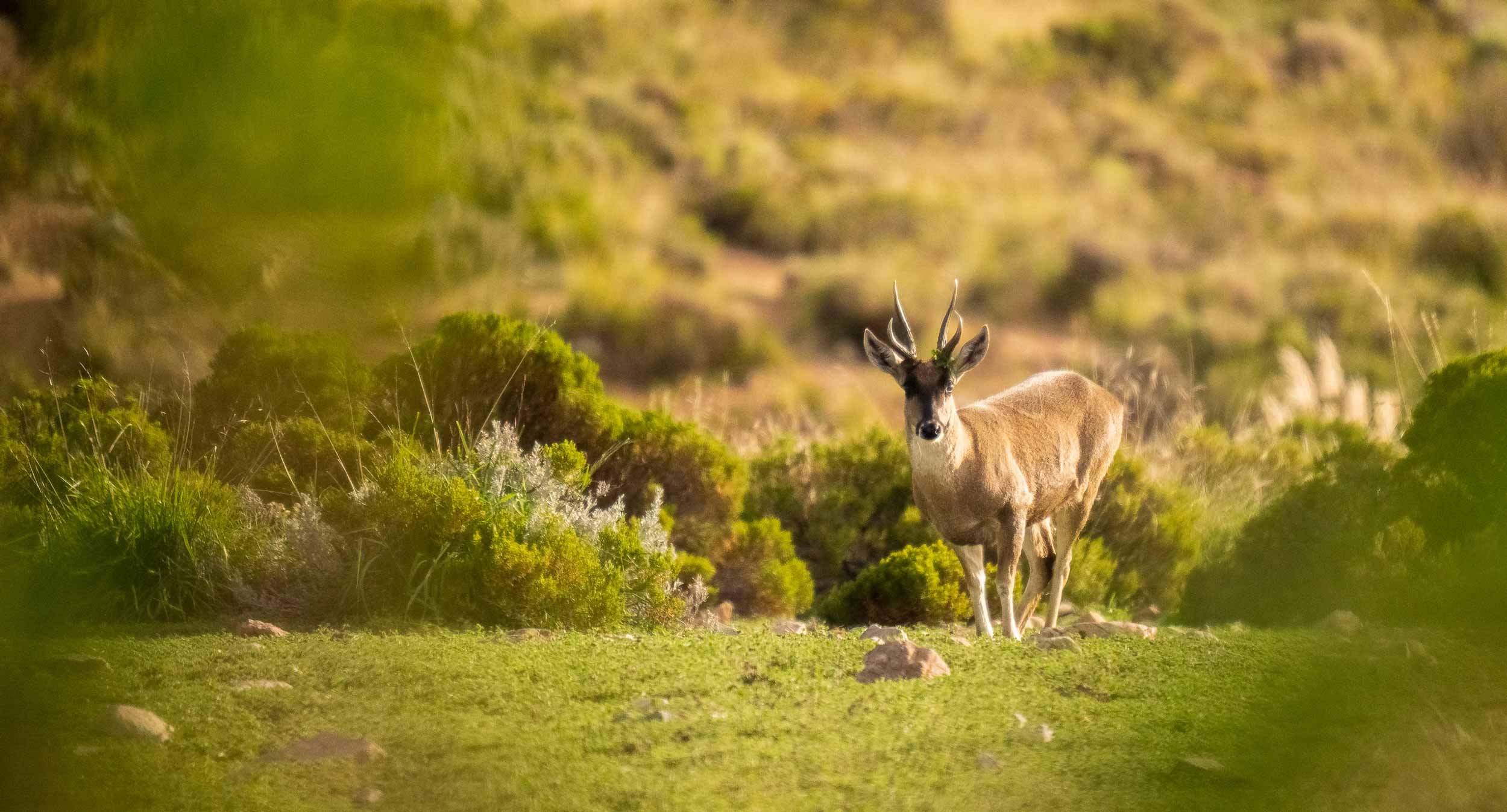
Taruka in Chile

We work to conserve the taruka (Hippocamelus antisensis) and promote its coexistence with Indigenous communities in the Atacama Desert. This work covers the species’ entire distribution in Chile (the Andean foothills of the Arica and Parinacota and Tarapacá regions) and focuses on:

  1. Generating scientific information to support its conservation, guide coexistence measures and prevent conflicts with local farmers;
  2. Providing advice, training and facilitating dialogue between different stakeholders and decision-makers;
  3. Developing outreach and environmental education initiatives that strengthen the relationship between communities and nature.
Feral Donkeys in Atacama

We study the ecology, health status and socio-environmental conflicts associated with feral donkeys (Equus asinus) in the Atacama Desert. We generate field and laboratory data to understand the impacts of this invasive species on the environment and provide advice to environmental authorities and local communities on its management and responsible stewardship.

Pudú in Chiloé

We monitor the abundance, local distribution and survival of pudú (Pudu puda) populations inhabiting productive landscapes in the Chiloé Archipelago. The information generated enables us to advise and guide private companies, local communities and environmental authorities so that these productive areas contribute to the protection of this species, following the “Protected Productive Landscape” model.